E-Commerce Transformation Is Essential for OEM and Dealer Growth
The digital aftermarket revolution has arrived for agriculture and construction machinery and there's no turning back. Today’s customers expect Amazon-like convenience, even when buying spare parts for heavy equipment. But most OEM dealer networks aren’t ready.
OEMs face a growing digital gap: they must modernize quickly, yet many dealers still rely on outdated systems and offline processes. Launching a centralized e-commerce platform may seem like a solution, but it risks alienating dealers and weakening the value chain.
The smarter path? A B2B2C spare parts e-commerce model where OEMs control the digital storefront, and dealers handle fulfillment, pricing, and service. To enable this at scale, OEM Dealer Integration is essential. It’s the foundation for a connected aftermarket that works for everyone. Table of Contents
- Why Most Dealers Aren’t Digitally Equipped for Spare Parts E-Commerce
- The B2B2C Strategy That Aligns OEMs and Dealers
- Unlocking Digital Success Through Dealer System Integration
- Why OEMs Must Prioritize Dealer Integration Now
- Conclusion: The Integrated Future of OEM Aftermarket Commerce
Why Most Dealers Aren’t Digitally Equipped for Spare Parts E-Commerce
Despite the buzz around digitalization, the reality on the ground is stark. Many dealers still rely on phone orders, paper catalogs, and basic inventory systems. Even when dealers want to embrace online sales, they lack the resources, expertise, or infrastructure to get started.
This digital shortfall presents a major bottleneck for OEMs:
- Without a digital sales channel, OEMs and dealers risk losing an ever-growing segment of customers who expect to purchase parts online.
- OEM-led digital initiatives often fail without e-commerce-ready dealers.
- The fragmented dealer landscape makes standardization nearly impossible.
Why OEMs Shouldn't Undermine Their Dealer Networks Online
Direct-OEM-to-consumer strategies, while tempting in this situation, can damage long-standing OEM-dealer relationships. If an OEM bypasses its dealers and sells parts directly, it risks alienating key local partners, jeopardizing not only a crucial sales channel but also the frontline service network that keeps machines operational and drives long-term customer satisfaction. Dealers are more than sales channels, they’re the face of the brand on the ground, providing service, advice, and customer care.
Instead, OEMs should:
- Enable dealer digital transformation.
- Build systems that make dealers stronger, not redundant.
The Pitfalls of One-Size-Fits-All Centralized E-Commerce
Most centralized platforms are built with control in mind, not collaboration. They treat the aftermarket as a monolithic structure, ignoring the complexity and local nuance that dealers bring. As a result, these platforms often fall short in three key areas: local pricing, real-time availability, and customer proximity.
Customers want to know:
- Is the part in stock near me?
- How soon can I get it?
- What’s the price at my local dealer?
Centralized spare parts e-commerce platforms can’t answer these questions without dealer data. That’s why any scalable solution must start with seamless OEM Dealer Integration.
The B2B2C Strategy That Aligns OEMs and Dealers
Defining B2B2C for OEM Aftermarket Success
The B2B2C e-commerce model bridges the gap between OEMs, dealers, and end customers. OEMs retain control over the platform to ensure a professional, user-centric e-commerce experience, while dealers manage order fulfillment, local inventory, and customer engagement. Aligning incentives and strengthening the OEM-dealer relationship.
Instead of cutting out the dealer, OEMs act as the digital orchestrator. This approach enhances customer experience without undermining the dealer network.
Centralized Control, Decentralized Execution: The Winning Combo
OEM Dealer Integration enables decentralized execution with centralized control. Dealers can manage their own inventory, pricing, and fulfillment, while OEMs provide the digital backbone.
Advantages:
- Faster delivery and better local service
- More accurate availability and pricing
- Increased dealer engagement within the broader connected aftermarket.
- Even when a dealer doesn’t have the part in stock, the OEM can step in to fulfill the order while still crediting and incentivizing the dealer — ensuring a win for the customer, the dealer, and the OEM alike.
How Dealer-Centric Transactions Build Loyalty and Visibility
One of the biggest fears dealers have is becoming invisible in the digital customer journey, and being bypassed by the OEM. The B2B2C model solves this by keeping the dealer front and center. When a customer buys a part, the local dealer is still the seller of record. This preserves relationships, builds trust, and encourages buy-in.
OEM Dealer Integration makes this possible by syncing systems in real-time. Dealers can receive orders instantly, update inventory, and respond to customer needs.

Unlocking Digital Success Through Dealer System Integration
Why Real-Time DMS Integration Is Essential
Dealer Management Systems (DMS) are the heart of dealer operations. Without access to real-time DMS data, OEMs fly blind.
Without direct access, neither OEMs nor the end customers can see:
- Current inventory / availability of parts
- Real-time pricing
- Order status and fulfillment updates
That’s why integrating with these systems isn’t optional. It’s mission-critical to building a functioning digital aftermarket.
But with hundreds (if not thousands) of dealers running different DMS platforms, the complexity quickly escalates. That’s why OEMs need a scalable, standardized way of approaching this.
Simplifying the Complexity of Dealer System Diversity
Dealer systems range in how modern, flexible, and connected they are. Some dealers use advanced, cloud-based DMS platforms. Others are stuck on outdated, barely functional software that might still rely on manual updates.
Connecting all these systems is not only complicated, it’s time sensitive.
To scale integration, OEMs must solve two problems:
- Diverse tech stack across hundreds of dealers
- Need for consistent, real-time data exchange
If this data is delayed by even a few hours, it can lead to inaccurate stock levels, missed orders, and frustrated customers.
ClearOps and the Data Integration Hub: The Scalable Solution
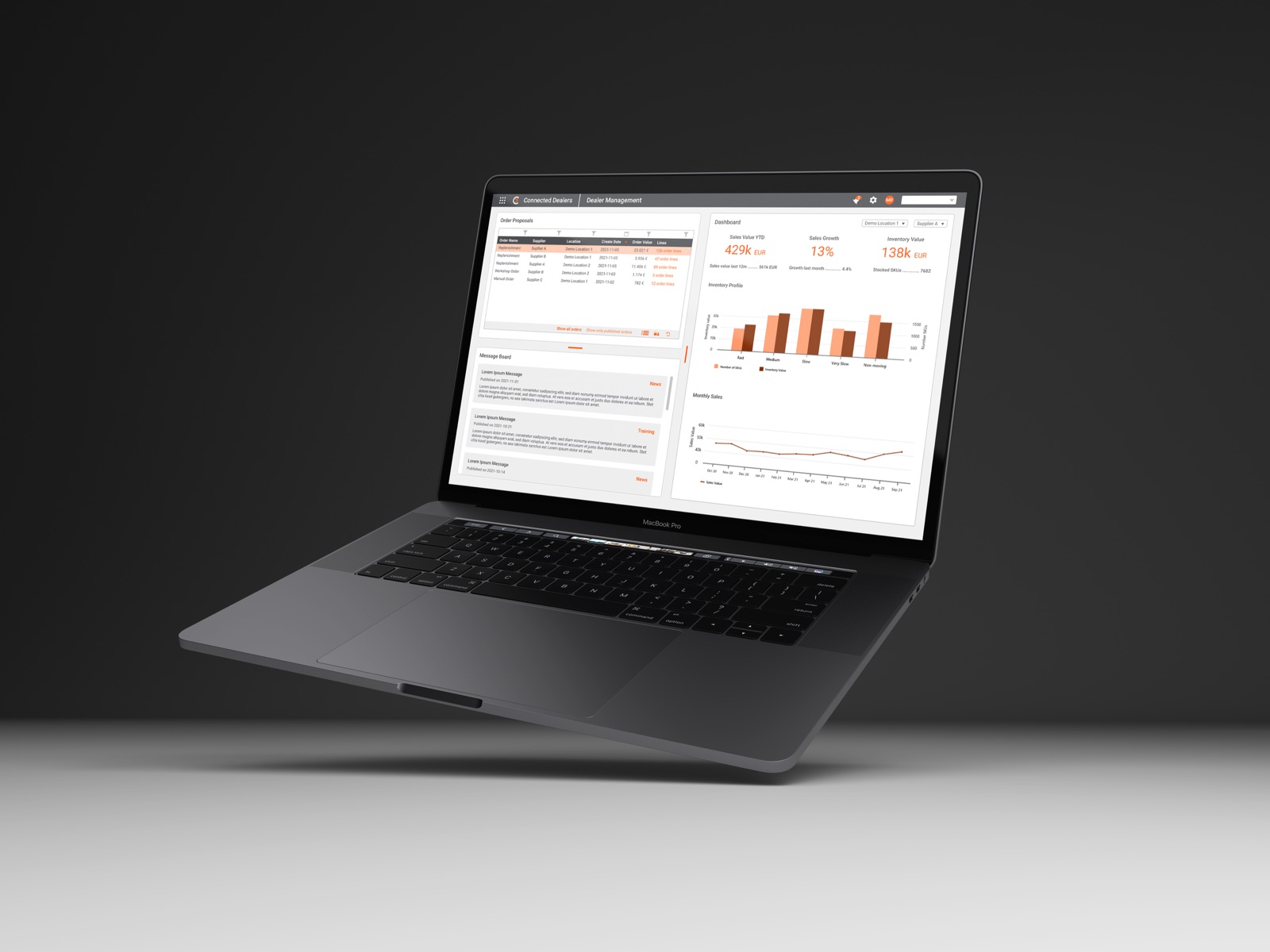
At ClearOps, we’ve built the Data Integration Hub to solve the exact challenge of fragmented dealer systems. Our platform acts as a universal connector, seamlessly integrating with any dealer DMS and OEM backend.
Dealers don’t need to change their systems. OEMs don’t need to reinvent the wheel. ClearOps creates a seamless bridge that powers real-time inventory visibility, dynamic pricing, and instant order routing. It’s the silent engine behind a connected aftermarket.
Why OEMs Must Prioritize Dealer Integration Now
Shifting Mindsets: From Control to Collaboration
Digital transformation isn’t a software upgrade... it’s a strategic commitment. OEMs must embrace a new mindset: one where digital is core to customer value, not an add-on.
This means seeing e-commerce not just as a sales channel, but as a strategic lever for competitiveness, loyalty, and data-driven growth. It requires treating dealers as digital partners and prioritizing integration over control to lead the digital aftermarket.
The Cost of Delay: Competitors Are Already Online
Customers are already shifting their buying habits. If OEMs don’t meet them where they are online, mobile, and self-service, someone else will. Third-party sellers, aggregators, and digital-first competitors are waiting in the wings.
Risks of inaction:
- Loss of aftermarket revenue to third-party sellers
- Decreasing brand relevance and customer loyalty
- Fewer data insights from post-sale interactions
The longer OEMs delay, the more relevance they lose in the aftermarket. Every lost sale is a missed opportunity. Not just for revenue, but for long-term customer relationships. OEM Dealer Integration is no longer a nice-to-have; it’s a survival strategy in the connected aftermarket.
Conclusion:
The future of the spare parts aftermarket is digital, decentralized, and deeply integrated. OEM Dealer Integration is the key that unlocks all three. It empowers OEMs to scale spare parts e-commerce while preserving the vital dealer-customer relationship.
With OEM Dealer Integration, everyone wins:
- OEMs drive revenue and control the digital experience
- Dealers gain visibility, sales, and a digital role
- Customers get faster, localized, and trusted service
ClearOps is proud to power the connected aftermarket of tomorrow. Our platform, the ClearOps Parts Cloud, connects OEMs, dealers, and machines on a single system.
At its core is our Data Integration Hub, which integrates with any OEM system and dealer DMS, no replacements needed. We unify fragmented tech environments and turn siloed data into actionable insights.
Once connected, we go beyond integration. ClearOps predicts parts demand, optimizes inventory, and automates replenishment at the dealerships, ensuring the right parts are always in stock. This reduces downtime, boosts fill rates, and frees up dealer capital. This value-added solution pairs seamlessly with the E-Commerce integrations, combining demand forecasting, digital sales enablement, and thereby ensuring supply. Together, they create a powerful engine for success, already delivering exceptional results for some of the world’s leading manufacturers.